
Blog
What Should I Know Before Buying Roadtrip Gummies?
Nov
If you’ve been scrolling through reviews of roadtrip mushroom gummies and wondering whether to hit “add to cart,” pause for a minute. Mushroom gummies are everywhere right now, and the market moves faster than the rules around it. A little homework up front saves you money, and it can save you a bad afternoon.
This guide covers what we’d want to know before buying roadtrip gummies for the first time: what’s on the label, what proof to look for, what the law says, and how to use them sensibly. We’ll be straight about what we know and what we don’t.
First, What Are You Actually Buying?
"Mushroom gummies" is a loose label. It can mean gummies made with functional mushroom extracts like lion's mane or reishi. It can also mean products made with mushrooms that have a noticeable effect on how you feel. Those are very different things, and brands don't always make the difference obvious.
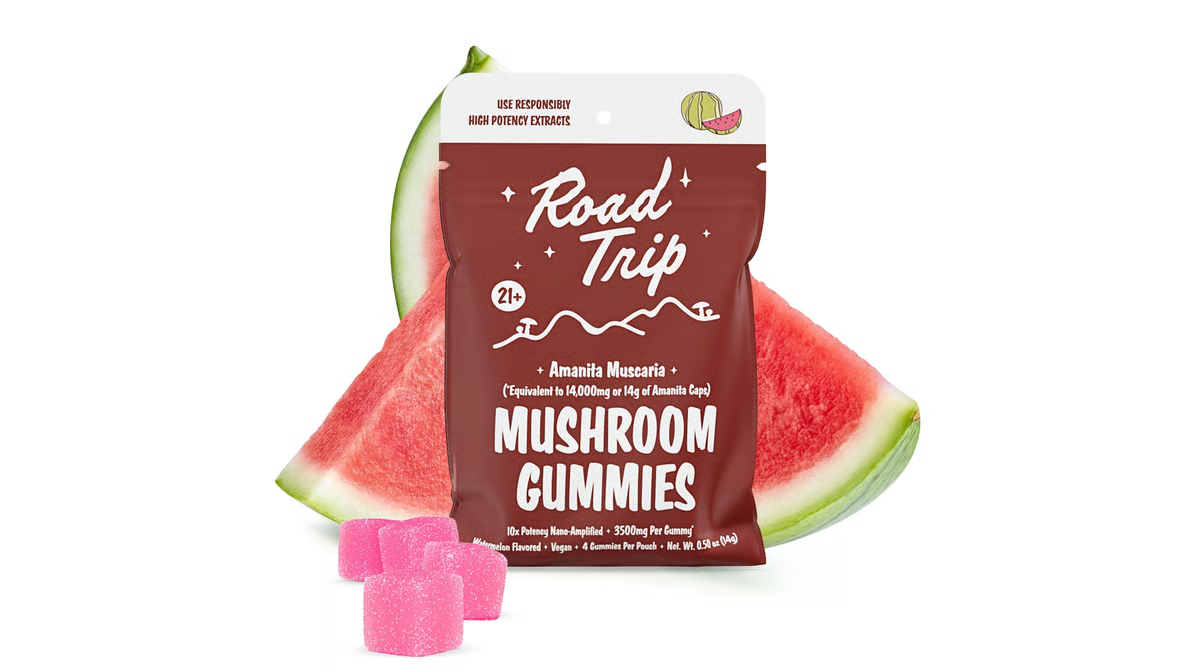
Before you buy roadtrip gummies, find out which mushroom or compound is in them. [Insert: the specific species/ingredient used in Roadtrip gummies, the amount per gummy, and the extract type, taken directly from your product label.] If a product page won't tell you exactly what's inside, treat that as a red flag and look elsewhere.
Read the Label Like You Mean It
A trustworthy label should show:
- The mushroom species or active ingredient, listed by name
- The amount per gummy and the number of gummies per pack
- The full ingredient list, including sweeteners and any allergens
- A batch or lot number
- Clear serving guidance and warnings
Vague phrases like “proprietary blend” or “mushroom complex” with no amounts make it impossible to know what you’re taking or compare one brand to another. When we reviewed the packaging for roadtrip mushroom gummies, we looked for [Insert: what you found, e.g., amounts per piece, batch number, warnings]. Add your own first-hand notes here. Readers can tell when someone has actually held the product.
Ask for Third-Party Lab Testing
This is the single best trust signal in the category. A certificate of analysis (COA) from an independent lab shows whether the gummy contains what the label says and whether it’s been screened for contaminants like heavy metals, pesticides, and microbes.
Check that the COA:
- Comes from an independent, accredited lab, not an in-house report
- Matches the batch number on your package
- Is recent
- Is easy to find, without having to email anyone
Check the Rules Where You Live
This is where many first-time buyers get caught out. Laws on mushroom-based products differ widely by state, and they change. A product that’s legal to sell and ship in one state may be restricted or banned in another, and the federal picture is still unsettled for some mushroom compounds.
Before ordering, look up your current state and local rules, and check the brand’s shipping policy for restricted states. [Insert: your shipping restrictions and a link to your legality page.] If you’re unsure, ask your state health department or a local attorney. Don’t rely on a product page’s reassurance alone.
Start Low and Go Slow
If you’re new to mushroom gummies, the most common mistake is taking too much too soon. Bodies react differently depending on weight, tolerance, what you’ve eaten, and what else you’re taking. Follow the serving size on the label, and if you’re trying roadtrip gummies for the first time, start with the smallest suggested amount.
Give it plenty of time before deciding anything. Effects from edibles can take a while to show up, so taking more because “nothing’s happening yet” is how people end up uncomfortable. If anything feels wrong, stop and seek medical help.
Don’t Mix Gummies With Driving
It sounds obvious, but with a name like Roadtrip it’s worth saying plainly: don’t drive, ride a bike, or operate machinery after taking mushroom gummies that may affect your alertness or perception. Plan to use them where you’re not behind the wheel, like at your destination, once you’ve arrived and settled in.
The name is about adventure, not a green light to combine them with a long drive. Make sure a sober person is responsible for the driving.
Who Should Skip Them

Talk to a doctor before trying any mushroom gummies, and skip them entirely if any of these apply:
- You're pregnant or breastfeeding
- You take prescription medication, since interactions are possible
- You have a medical condition or a history of mental health concerns
- You're under 18 or buying for someone who is
- You're subject to workplace or legal drug testing
On that last point, don't assume a gummy won't show up on a test. Policies and tests vary, and no brand can guarantee the outcome for you.
Keep all gummies locked away from children and pets. They look like candy, and that's exactly the problem.
Storage and Heat
Heat is the enemy of any gummy, and a hot car is the worst place for one. Store yours in a cool, dry spot in the original sealed package, and never leave them in a parked car or a bag in direct sun. Check the date on the package, and throw out any gummies that have melted, hardened, or smell off. [Insert: the stated shelf life and storage guidance for your product.]
Price, Value, and Where to Buy
Don’t just compare the price of the pack. Divide it by the number of gummies and the amount in each one so you’re comparing cost per serving. A cheap pack with a tiny amount per gummy isn’t a bargain.
Buy from the brand’s official site or a retailer you can verify. Counterfeit and lookalike products are a real problem in this category, and buying from a random marketplace seller leaves you with no way to know what’s inside. Before you check out, look for a clear return or refund policy and a real way to contact the company. [Insert: current price, pack sizes, and return policy.]
Your Quick Pre-Purchase Checklist
- Does the label name the mushroom or active ingredient and the amount per gummy?
- Is there a recent, independent COA matching the batch?
- Is the product legal and shippable where you live?
- Does the brand give clear serving guidance and warnings?
- Are you buying from an official, verifiable seller?
- Have you talked to a doctor if you take medication or have a health condition?
If the answer to any of these is no, wait.
The Bottom Line
Mushroom gummies can be a fun addition to your downtime, but they deserve more scrutiny than a bag of candy. Look for transparency, independent testing, and honest labeling, follow the rules where you live, and treat the first serving with respect. A brand that welcomes these questions is one worth trusting.
other related articles:
Roadtrip Mushroom Gummies Review: What Real Users Say
Road Trip Mushroom Chocolate Review: Taste and Experience
