
Blog
Mushroom Chocolate Ingredients Explained
Aug
What’s Really Inside?
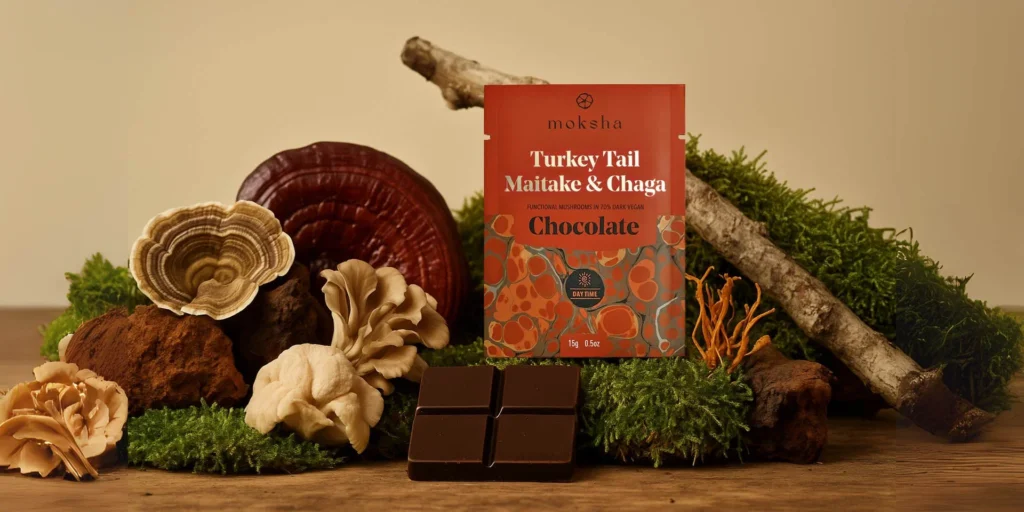
Mushroom chocolate sounds simple enough: chocolate mixed with mushrooms.
But if you look closely at the ingredient label, you may find cocoa, sugar, cocoa butter, mushroom powders, mushroom extracts, lecithin, milk ingredients, flavors, and several other ingredients you might not immediately recognize.
And there’s another important detail: not every product marketed as mushroom chocolate contains the same type of mushroom ingredient.
Some products use functional mushrooms such as lion’s mane, reishi, chaga, or cordyceps. Others are marketed around psychoactive mushroom-derived ingredients. That makes understanding the label particularly important.
So, what is actually inside mushroom chocolate?
Let’s break down the most common ingredients and explain what they do.
What Is Mushroom Chocolate?
Shroom chocolate is chocolate combined with one or more mushroom-derived ingredients.
The chocolate itself may contain:
- Cocoa or cocoa solids
- Cocoa butter
- Sugar or another sweetener
- Milk ingredients
- Lecithin
- Natural or artificial flavors
The mushroom component can come in several forms, including dried mushroom powder or mushroom extract.
Common functional mushrooms found in these products include:
- Lion’s mane
- Reishi
- Chaga
- Cordyceps
However, the presence of the word “mushroom” on a package doesn’t tell you exactly what you’re getting. The ingredient list is much more useful.
1. Cocoa
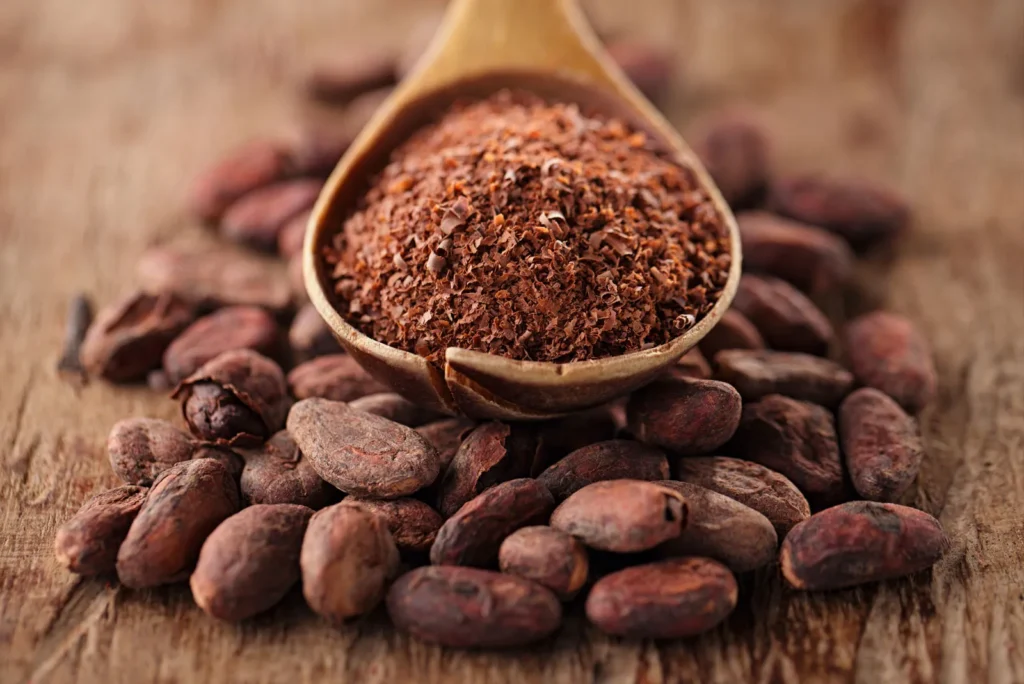
Cocoa is the foundation of most chocolate. It comes from cacao beans and is responsible for much of chocolate's characteristic taste, aroma, and color. On an ingredient label, you might see:- Cocoa powder
- Cocoa solids
- Cocoa mass
- Cocoa liquor
2. Cocoa Butter
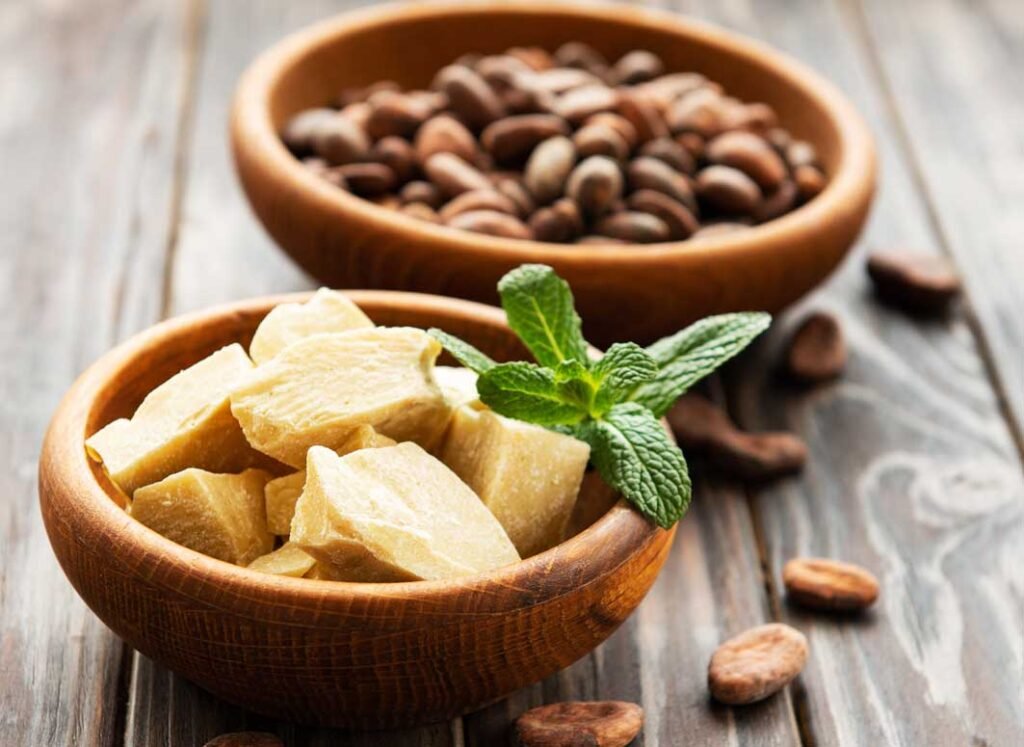
Cocoa butter is the natural fat extracted from cacao beans. It's responsible for much of chocolate's smooth texture and familiar melt-in-your-mouth quality. It also helps create the solid structure of chocolate at room temperature. Some manufacturers may use additional fats or oils in their recipes, but cocoa butter is a traditional chocolate ingredient.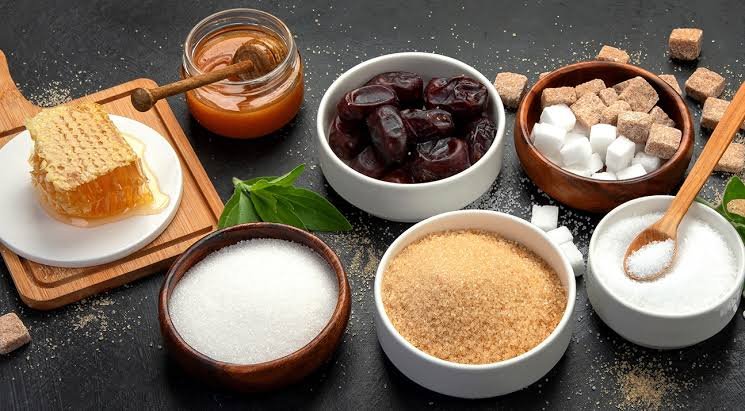
3. Sugar and Sweeteners
Mushrooms aren't naturally associated with sweetness, so sugar is commonly used to make mushroom chocolate more enjoyable to eat. Depending on the product, you might find:- Cane sugar
- Brown sugar
- Coconut sugar
- Glucose syrup
- Stevia
- Monk fruit
- Other sweeteners
4. Mushroom Powder
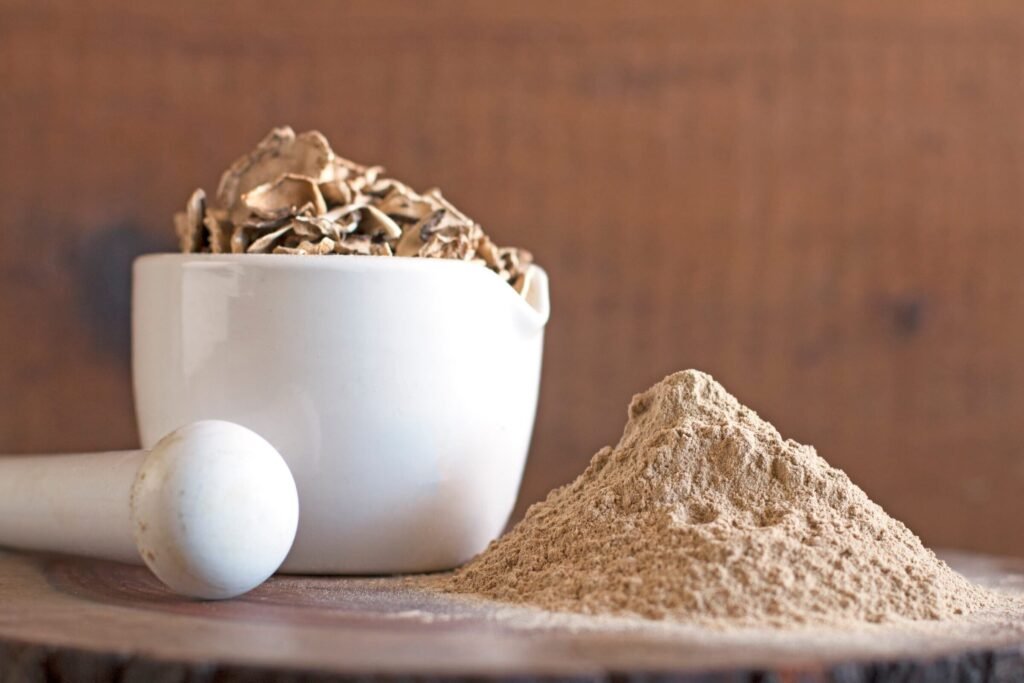
This is one of the simplest mushroom ingredients you'll encounter. Mushrooms can be dried and processed into a powder before being incorporated into chocolate. You may see ingredients such as: Lion's mane mushroom powder Reishi mushroom powder Chaga mushroom powder Cordyceps mushroom powder Mushroom powder is different from mushroom extract. A powder generally refers to the dried mushroom material itself, while an extract has undergone an extraction process designed to concentrate particular components. That's why seeing "mushroom powder" on a label doesn't mean the same thing as seeing "mushroom extract."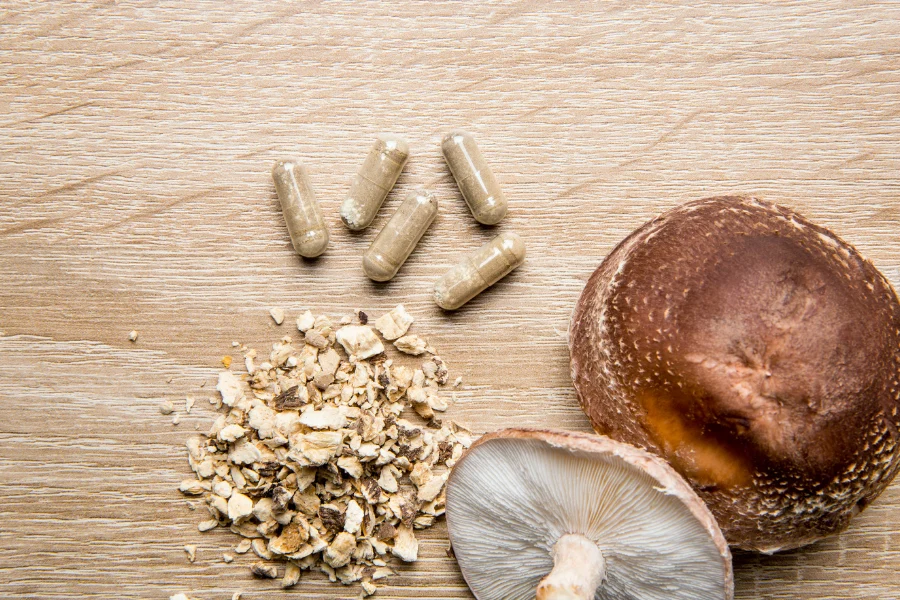
5. Mushroom Extracts
Mushroom extracts are also common in functional mushroom products. An extract is produced by processing mushroom material to obtain particular compounds or components. Some labels provide additional information about the extraction process, concentration, or amount used. Others simply list the mushroom extract as an ingredient. For consumers, this distinction matters because the name of the mushroom alone doesn't tell you how much is present. A chocolate advertised as containing several mushrooms isn't necessarily providing a substantial amount of each one. When possible, look for products that clearly disclose the quantity and form of their mushroom ingredients.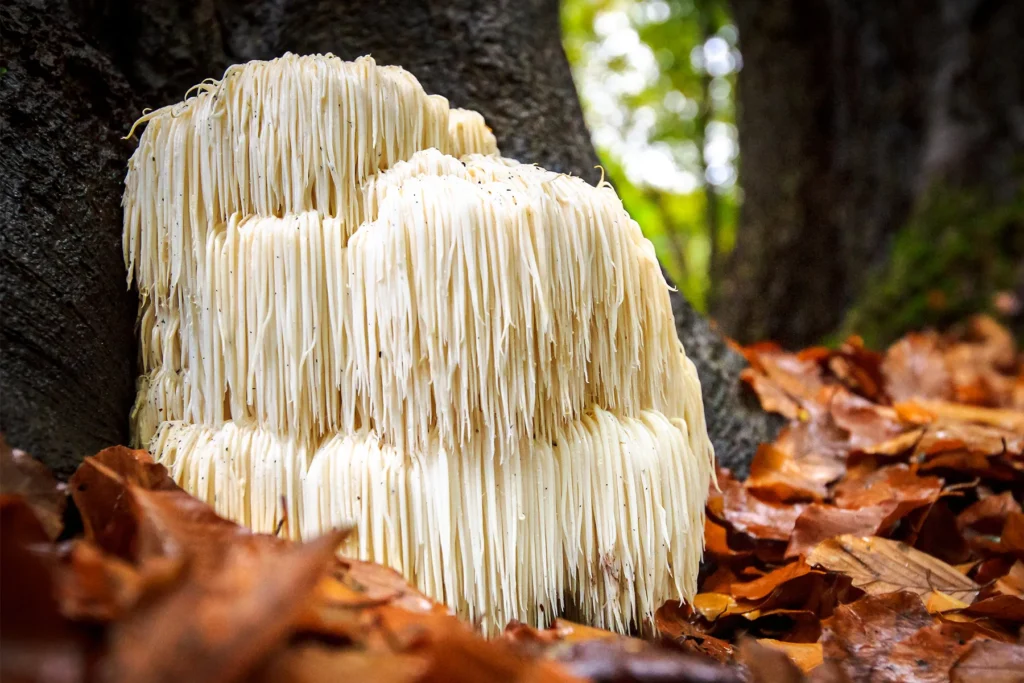
6. Lion's Mane
Lion's mane, scientifically known as Hericium erinaceus, is one of the most popular mushrooms in functional food products. It can appear on a label as:- Lion's mane mushroom
- Lion's mane powder
- Lion's mane extract
- Hericium erinaceus extract
7. Reishi
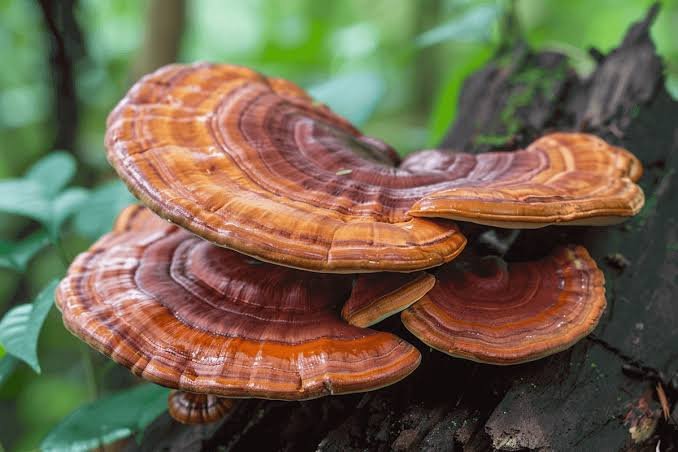
Reishi is another mushroom frequently used in functional products. It's commonly associated with Ganoderma lucidum and related species. Reishi has a naturally bitter and earthy flavor, making chocolate a convenient way of incorporating it into a more familiar food. It may appear on labels as reishi mushroom, reishi powder, or Ganoderma extract. Again, don't assume that seeing "reishi" on the front of a package tells you how much is actually inside.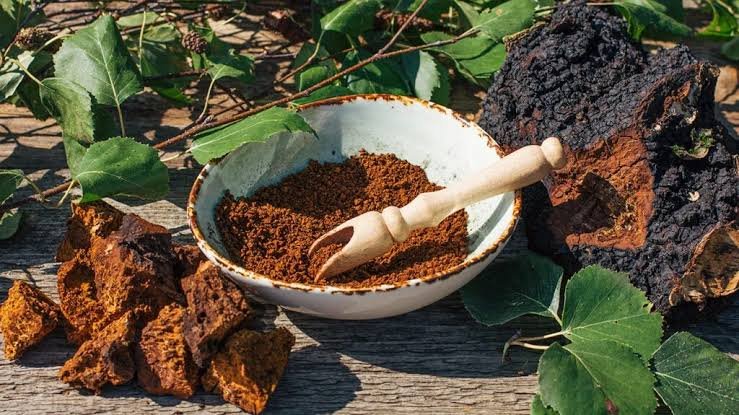
8. Chaga
Chaga, or Inonotus obliquus, is another mushroom used in some functional food products. It can be included as a powder or extract. Like other mushroom ingredients, the important things to consider are the form, quantity, and transparency of the labeling. Simply listing chaga among several ingredients doesn't necessarily tell you how much the product contains.
9. Cordyceps
Cordyceps is another familiar name in the functional mushroom world. Some products use Cordyceps militaris or other cordyceps-related ingredients. Cordyceps products are often marketed around energy, exercise, or general wellness. However, marketing claims shouldn't be confused with proven effects. The formulation and amount of cordyceps matter when evaluating a particular product.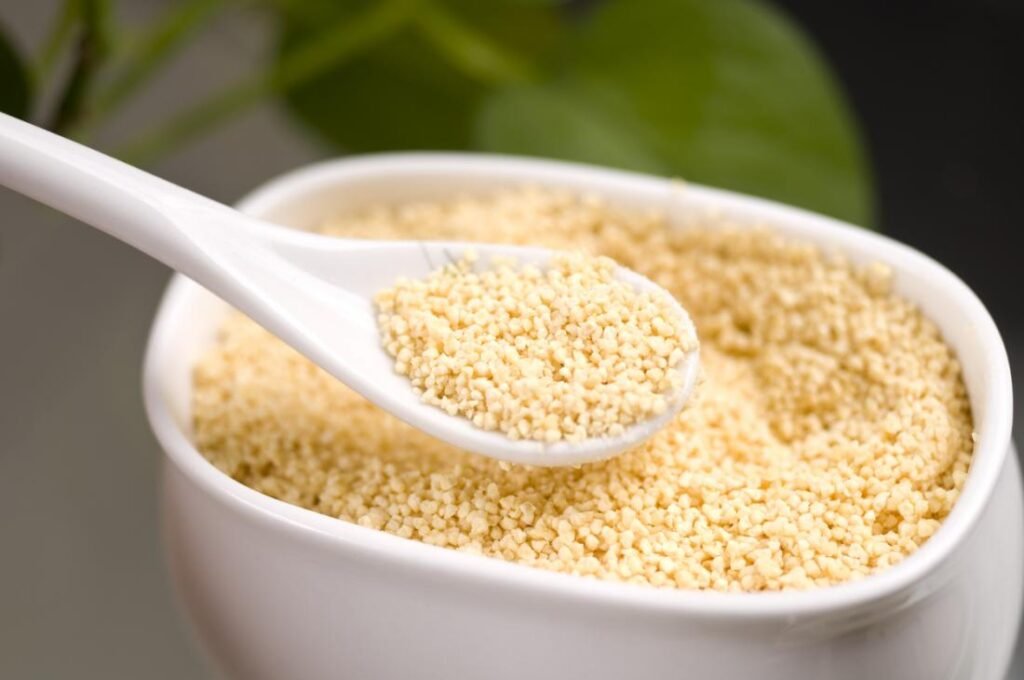
10. Lecithin
Lecithin might sound like an unusual ingredient, but it's actually common in chocolate. You'll often see:- Soy lecithin
- Sunflower lecithin

11. Milk and Dairy Ingredients
Not all mushroom chocolate is dairy-free. Milk chocolate products may contain:- Milk powder
- Whole milk powder
- Skimmed milk powder
- Whey
- Lactose
12. Natural Flavors and Vanilla
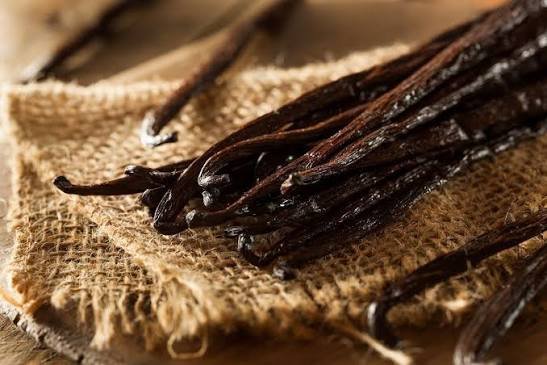
Mushrooms can have strong earthy flavors, which don't always pair naturally with sweet chocolate. Manufacturers may therefore use ingredients such as vanilla or natural flavors to improve the overall taste. You might see:- Natural flavor
- Vanilla
- Vanilla extract
- Artificial flavor
What About “Magic Mushroom” Chocolate?
This is where consumers need to be especially careful.
The term “mushroom chocolate” doesn’t necessarily mean a product contains ordinary culinary mushrooms such as lion’s mane or reishi.
Some products are marketed as “magic mushroom” or “psychedelic mushroom” chocolates and may involve psychoactive mushroom-derived substances or other compounds.
In some cases, products marketed under mushroom-related names have raised concerns because the actual contents may not be obvious from the packaging.
That’s why you shouldn’t assume that two chocolate bars are equivalent simply because both use the word “mushroom.”
Look at the complete ingredient list and manufacturer information.
If the product doesn’t clearly explain what it contains, that’s a reason to be cautious.
What Is a Mushroom Blend?
Some products list something like:
“Proprietary mushroom blend”
or
“Mushroom complex.”
This usually means multiple mushroom ingredients have been grouped together.
The problem is that a blend doesn’t always tell you exactly how much of each mushroom is present.
For example, a product might advertise five different mushrooms but provide very little information about the quantity of each.
If you’re comparing products, transparent labeling makes the comparison much easier.
How to Read a Mushroom Chocolate Label
You don’t need to be an expert to understand the basics.
- Look at the first ingredients: Ingredients are generally listed by weight according to applicable labeling rules.
If sugar appears near the beginning, the product may contain a substantial amount of sugar.
- Identify the mushroom: Which mushroom is actually being used?
Is it lion’s mane, reishi, chaga, cordyceps, or something else?
- Check the form: Is it a mushroom powder, extract, or blend?
These aren’t necessarily interchangeable.
- Check the quantity: If the manufacturer provides the amount, look at it.
“Contains six mushrooms” sounds impressive, but without quantities, you don’t know how much of each one you’re actually getting.
- Check allergens: Look for milk, soy, nuts, and other relevant allergens.
- Look for manufacturer information: A clearly identified manufacturer and transparent product information are useful signs when evaluating a product.
Does More Mushroom Mean Better Chocolate?
Not necessarily.
It’s easy to assume that a product containing five or six different mushrooms must be better than one containing a single mushroom.
But the number of mushrooms doesn’t tell the whole story.
You should also consider:
- Which mushrooms are used?
- How much is included?
- Is it powder or extract?
- Is the label transparent?
- What other ingredients are present?
- Does the manufacturer provide useful product information?
In other words, quality and transparency are more useful than simply counting mushrooms.
Is Mushroom Chocolate Actually Healthy?
The answer depends on the specific product.
Adding mushrooms to chocolate doesn’t automatically turn the chocolate into a health food.
A product may contain mushroom ingredients while also containing considerable amounts of sugar, fat, and calories.
That’s not necessarily a problem. Chocolate can simply be something you enjoy.
The important thing is not to assume that the word “mushroom” automatically makes the entire product healthy.
Look at the complete ingredient and nutrition information.
Mushroom Chocolate Ingredients: What Should You Look For?
When comparing products, look for transparency.
Ideally, you should be able to identify:
- The specific mushroom species
- Whether it’s powder or extract
- The amount included, when provided
- The complete ingredient list
- Allergen information
- The manufacturer
- Relevant testing information where appropriate
Be cautious of products that rely heavily on vague claims but provide very little information about what’s actually inside.
A colorful package can tell you what the manufacturer wants you to notice.
The ingredient label tells you what you’re actually buying.
Final Thoughts
Mushroom chocolate is much more than simply “chocolate plus mushrooms.”
The chocolate itself can contain cocoa, cocoa butter, sugar, milk ingredients, lecithin, flavors, and other components. The mushroom portion may be a whole mushroom powder, an extract, or a blend of several mushrooms.
And because “mushroom chocolate” can refer to very different types of products, the label matters.
The easiest rule to remember is this:
Don’t judge mushroom chocolate by the front of the package. Read the ingredients.
Find out which mushroom is being used, what form it takes, how much is included when that information is available, and what else is in the chocolate.
Once you know what those ingredients mean, comparing mushroom chocolates becomes much easier and you can make a much more informed decision about what’s actually inside the bar.

Pingback: Mushroom Chocolate vs Regular Chocolate: What’s the Difference? – TREVORUPDATES